Carpet Shampooing
About This Project
A high-level outline for shampooing carpets to clean and refresh them, suitable for a DIY project.
Tools & Materials
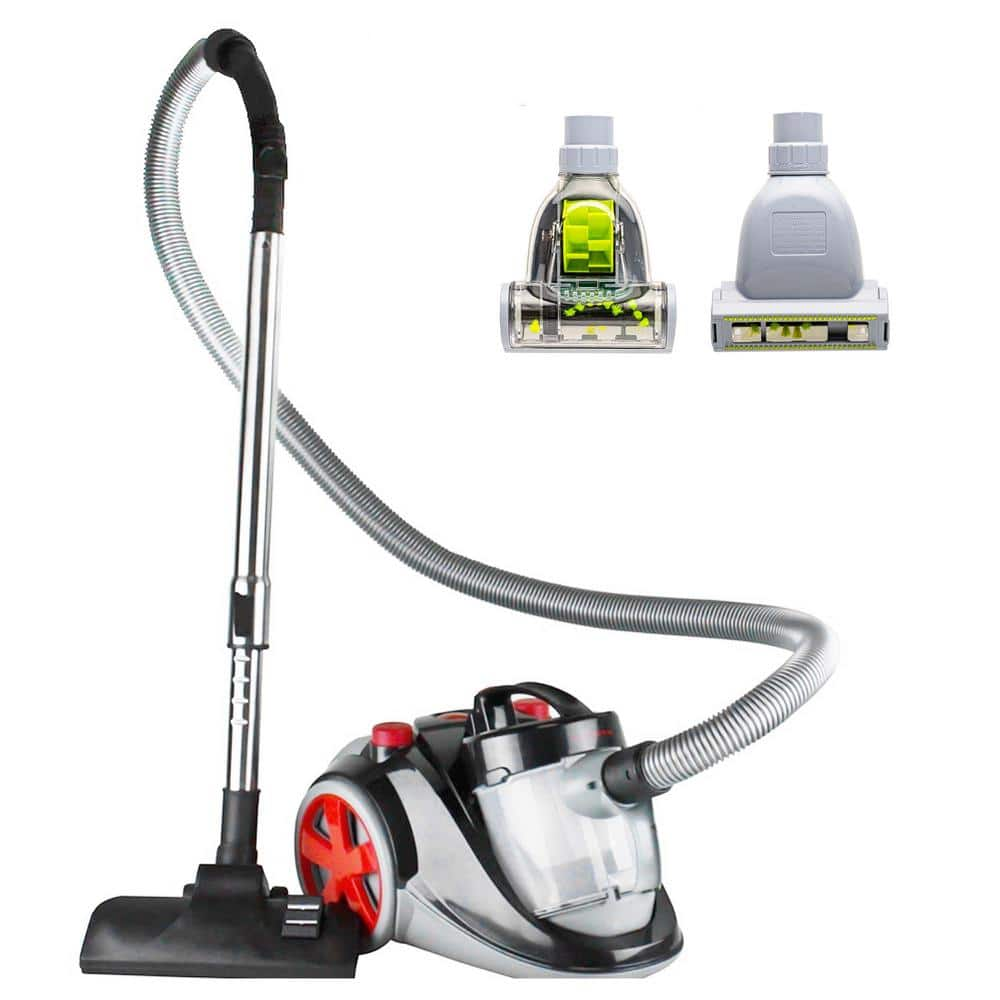
OVENTE Bagless Corded HEPA filter Multisurface Black Canister Vacuum Cleaner ST2010
Folex 36 oz. Instant Carpet Spot Remover Carpet Cleaner FSR36
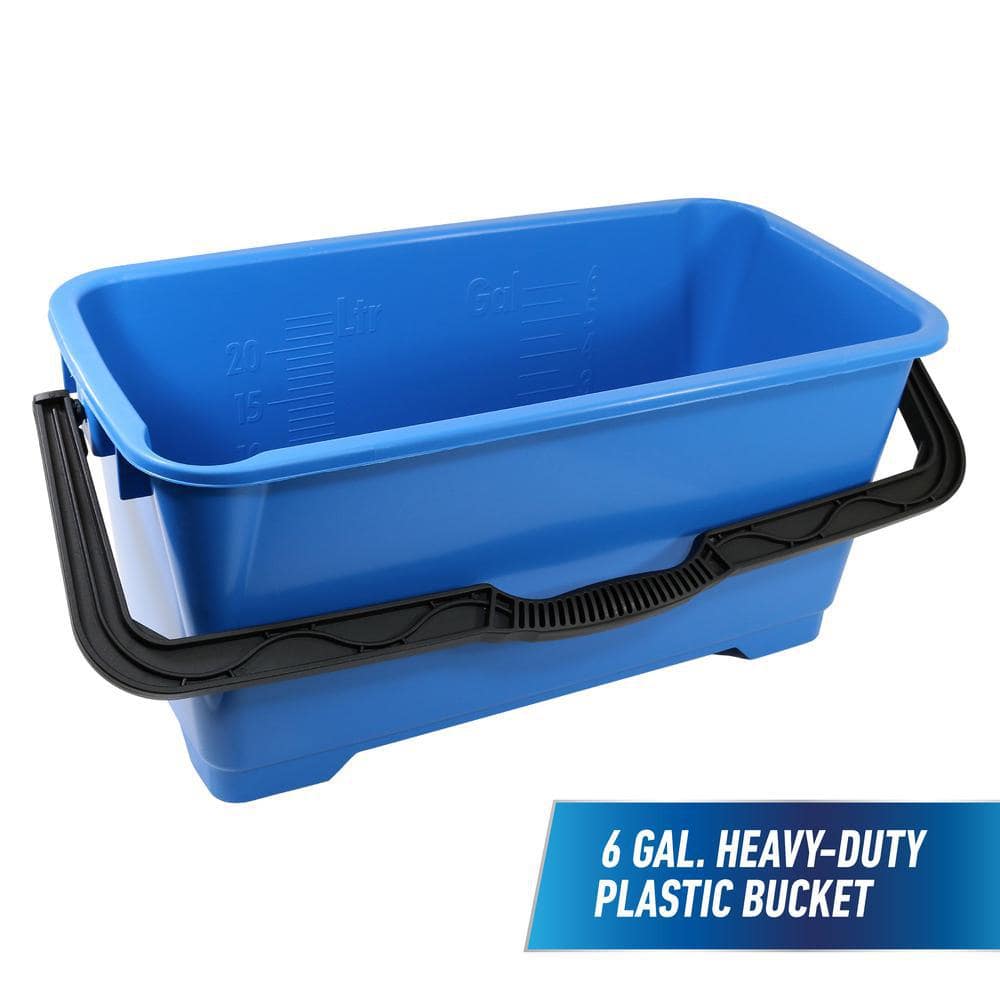
Unger 6 Gal. Heavy-Duty Plastic Bucket DB02
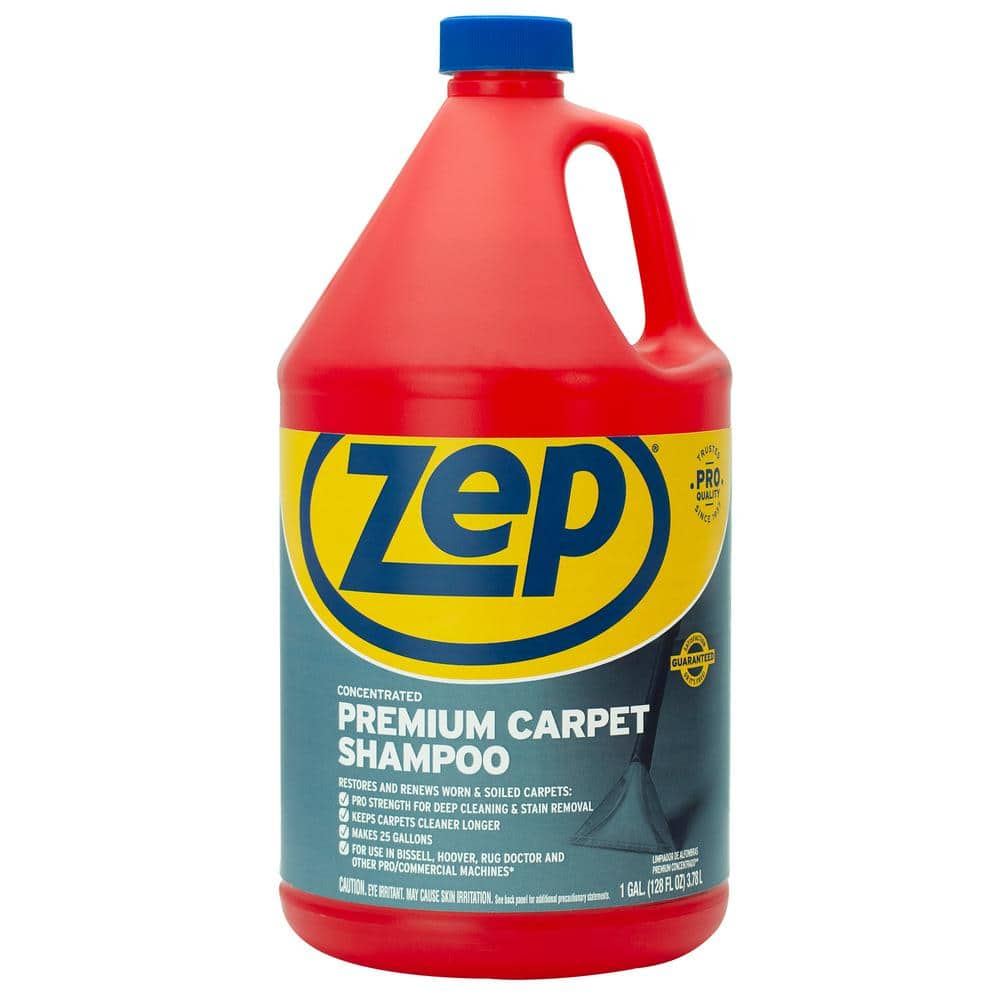
ZEP 1 Gal. Premium Carpet Shampoo ZUPXC128
Water
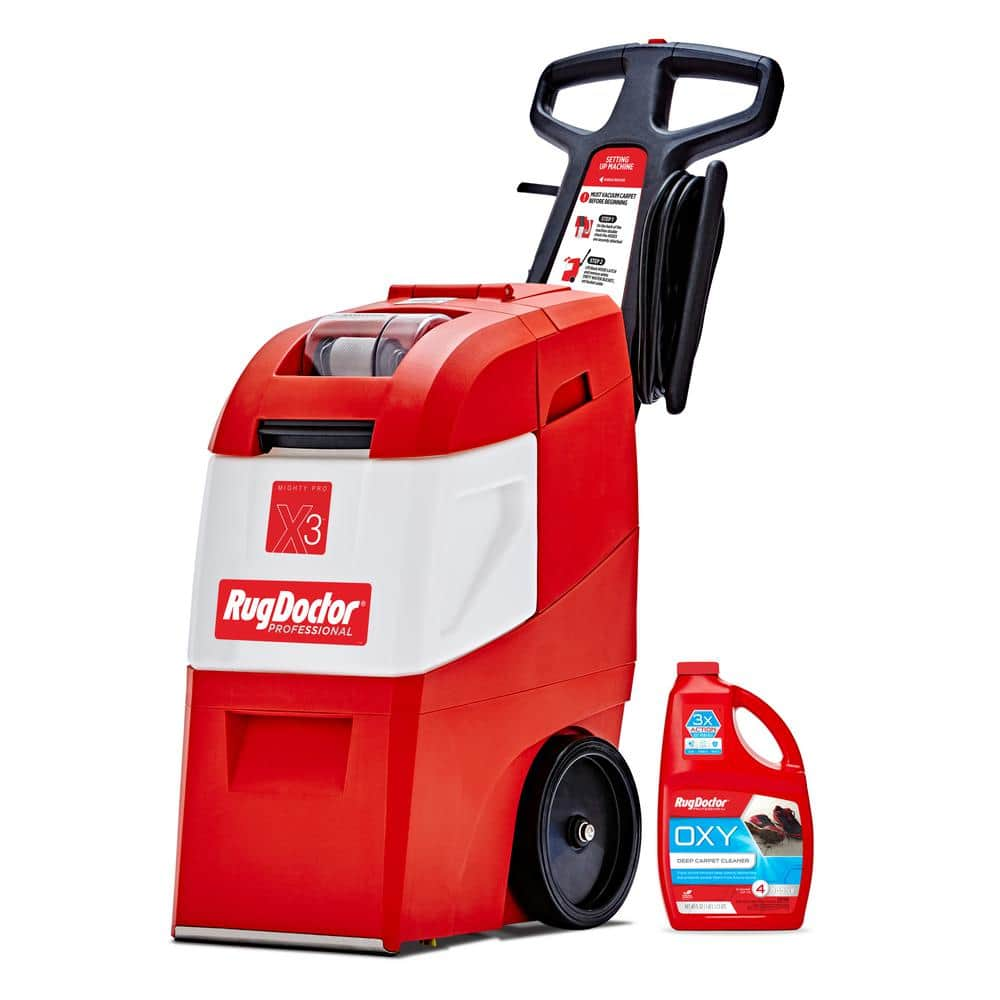
Rug Doctor Mighty Pro X3 Commercial Upright Carpet Cleaner with Large Red Pro Pack 90010
OVENTE Bagless Corded HEPA filter Multisurface Black Canister Vacuum Cleaner ST2010
Clean Air for All! With Ovente Vacuums you can trust in a powerful 20kPa suction that easily picks up dust, crumbs, pet hair, dander and various other hidden floor scrap. Ovente's ST2010 Cyclonic Vacuum
Folex 36 oz. Instant Carpet Spot Remover Carpet Cleaner FSR36
Folex Instant Carpet Spot Remover quickly removes the toughest spots and stains from carpets, rugs and upholstery without rinsing, vacuuming or waiting to see results. Amazing surfactant action powers
Unger 6 Gal. Heavy-Duty Plastic Bucket DB02
The Unger 6-Gallon Heavy-Duty Professional Cleaning Bucket holds more than 6 Gal. of liquid. The bucket can accommodate a scrubber up to 14 in. L. This bucket features measurement marks and 2-pour spouts
ZEP 1 Gal. Premium Carpet Shampoo ZUPXC128
ZEP Premium Carpet Shampoo is excellent for use on stain resistant carpets. This carpet shampoo is for use in deep cleaning steam machines and extractor machines. It is safe for use around children and
Water
Essential for life and countless tasks.
Rug Doctor Mighty Pro X3 Commercial Upright Carpet Cleaner with Large Red Pro Pack 90010
Choose the Rug Doctor Mighty Pro X3 Commercial Pro Pack for a powerful, deep cleaning with optimal results. This carpet shampooer utilizes vibrating bristle technology, and high performing vacuum power
Steps


Shampoo the Carpet
60 minutesUsing a carpet cleaning machine (rental or owned) or a brush, apply the shampoo solution to the carpet. Work in small sections, ensuring even coverage. For tougher areas, gently agitate the carpet fibers with a brush to help lift the dirt.
Watch: Wash Carpet Areas
Rinse the Carpet
45 minutesUsing the carpet cleaning machine on the extraction setting (or a clean water rinse cycle if available), go over the entire carpeted area to remove the shampoo solution and the lifted dirt. Make multiple passes to ensure most of the moisture is removed.
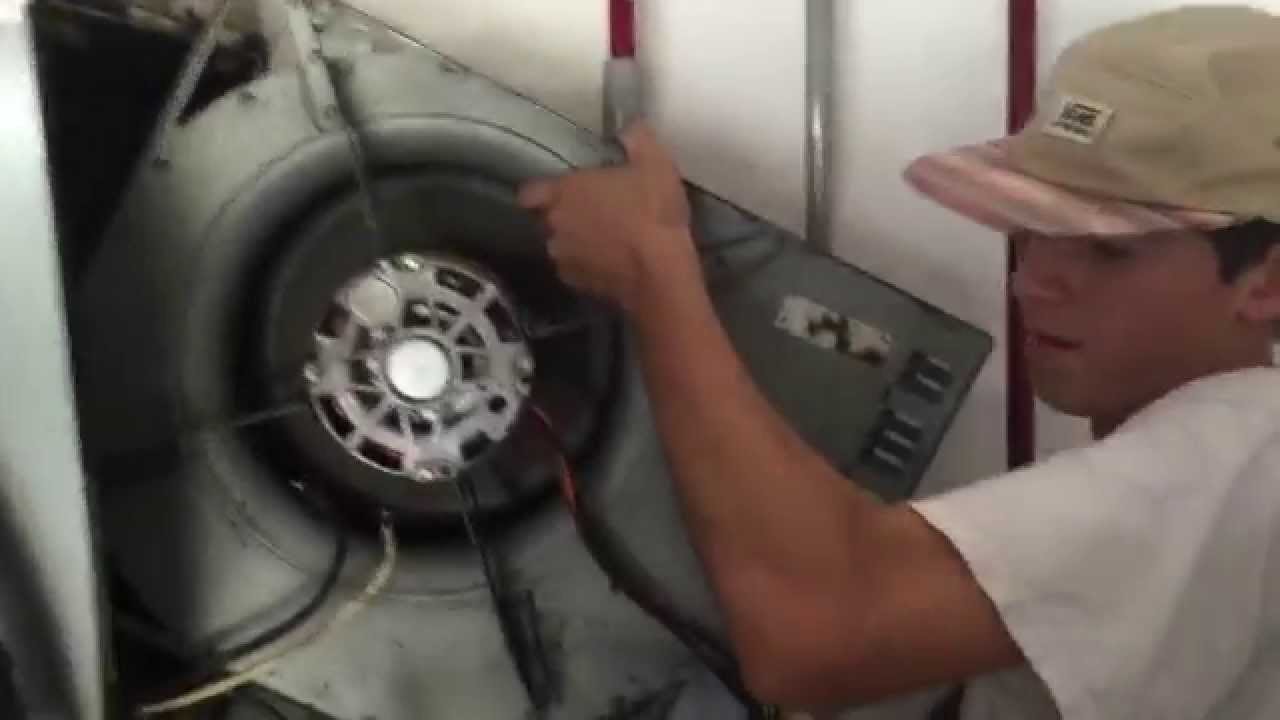
Watch: Extract Cleaning Solution and Dirt
Common Problems
Your carpet feels soggy, takes days to dry, develops a musty smell, or shows signs of mold after shampooing.
Solution: Immediately increase air circulation by opening windows, running fans (like box fans or ceiling fans), or using a dehumidifier. If possible, rent a powerful carpet dryer. Avoid walking on the carpet. For persistent musty odors, a baking soda sprinkle and vacuum can help once dry. For mold, specialized mold cleaner might be needed after the carpet is fully dry.
Prevention: Do not over-wet the carpet with too much shampoo solution or rinse water. Make sure to make several 'dry passes' with the machine (without spraying water) to extract as much moisture as possible. Ensure good ventilation (open windows, use fans) both during and after cleaning.
After the carpet dries, it feels sticky, stiff, or gets dirty again much faster than before.
Solution: This means there's shampoo residue left behind. Re-clean the affected areas using only clean, plain water in your carpet cleaner. Make several passes, extracting as much water as possible. You may need to do this a few times until the extracted water looks completely clear and no suds appear.
Prevention: Always follow the shampoo manufacturer's dilution instructions carefully – don't use more than recommended. Also, make sure to thoroughly rinse the carpet with clean water after shampooing, making passes with clean water until the extracted water no longer looks sudsy or dirty.
Your carpet cleaner isn't spraying shampoo solution, or it's not sucking up the dirty water from the carpet.
Solution: First, check both the clean water/solution tank and the dirty water recovery tank – ensure the clean tank has solution and the dirty tank isn't full. Make sure tanks are securely seated. Next, inspect the spray nozzle for clogs and the suction inlet for debris like hair or lint. Refer to your machine's manual for specific troubleshooting steps, as some machines have filters that may need cleaning. For suction issues, ensure the recovery tank lid is properly sealed.
Prevention: Before starting, always read your carpet cleaner's manual. Empty and rinse the recovery tank frequently, and clean filters or nozzles as recommended after each use to prevent buildup. Use only approved carpet cleaning solutions for your specific machine.
You feel an electrical tingle, see sparks, or the machine stops working suddenly, indicating a potential electrical issue or water damage to the machine.
Solution: Immediately unplug the machine from the wall outlet. Do not touch the machine or its cord if it feels wet or if you suspect an electrical fault. If the cord is damaged, or you suspect internal damage, do not attempt to fix it yourself; take it to a professional or replace the unit. If it was just a temporary power cut, ensure your hands and the area around the plug are completely dry before plugging it back into a properly grounded (3-prong) outlet, preferably one with a Ground Fault Circuit Interrupter (GFCI).
Prevention: Always check the power cord for any cuts or frayed wires before use. Ensure your hands are dry when plugging or unplugging the machine. Avoid spilling water directly onto the machine's motor housing or electrical components. Use an outlet with a GFCI for added safety, especially in areas like basements or utility rooms. Never leave a running machine unattended.
After your carpet dries, old stains that seemed to disappear suddenly reappear or look even worse.
Solution: This is often called 'wicking.' The stain particles have dried at the bottom of the carpet fibers and wicked back up to the surface as the carpet dried. To fix this, lightly dampen a clean white towel with plain water (or a very dilute carpet cleaner for tough stains), place it over the reappearing stain, and weigh it down with a heavy object like a book. Leave it overnight. The towel should absorb the stain as moisture wicks upwards. Repeat if necessary with fresh towels.
Prevention: When pre-treating tough stains, avoid over-wetting the area. Instead of scrubbing, gently blot the stain to avoid pushing it deeper into the carpet pad. Ensure thorough extraction of water from heavily stained areas to remove as much of the stain and cleaning solution as possible.
Frequently Asked Questions
What types of carpet cleaning machines are suitable for DIY shampooing, and which is best for a beginner?
For DIY, you can choose between buying an upright cleaner like the HOOVER Dual Spin Pet or renting a more powerful commercial unit like the Rug Doctor Mighty Pro X3. Uprights are convenient for regular maintenance, while rentals offer deeper cleaning for occasional, tougher jobs. Consider the size of your area and how often you plan to clean.
How can I ensure my carpets dry completely after shampooing to prevent mold and odors?
Proper drying is crucial. After rinsing, make extra passes without solution to extract as much water as possible. Open windows, use fans, or even run a dehumidifier to maximize airflow and speed up drying. Avoid walking on damp carpets and ensure they are completely dry, which can take 6-12 hours, before replacing furniture.
What are some common mistakes beginners make when shampooing carpets, and how can I avoid them?
A common mistake is over-wetting the carpet, which leads to long drying times and potential mold; apply only the recommended solution and make multiple dry passes. Another error is skipping pre-treatment; always pre-treat heavily soiled areas and visible stains for the best results. Not vacuuming thoroughly beforehand is also a mistake that leaves dirt behind.
Is it more cost-effective to rent a carpet shampooer or to purchase one for a DIY project?
For a one-time or infrequent large-area cleaning, renting a powerful machine like the Rug Doctor is often more cost-effective. If you plan to clean carpets multiple times a year or have smaller, frequent spills, purchasing a smaller upright model like a Hoover can be a better long-term investment. Consider the rental cost versus the purchase price and your projected usage.
What is the estimated time commitment for shampooing carpets, including drying, and is it a difficult project for a beginner?
The actual shampooing process for an average-sized room can take around 2-4 hours, including vacuuming and pre-treating. However, the total project time must account for carpet drying, which can take 6-12 hours or even longer depending on humidity and airflow. It's a beginner-friendly project, but it can be physically demanding.
What safety precautions should I take when using electrical carpet shampooers and chemical solutions?
Always ensure you're working in a well-ventilated area to minimize exposure to cleaning solution fumes. Avoid electrical hazards by ensuring the machine's cord is intact and not running over it; never use it near standing water. Wear gloves to protect your skin from chemicals, and be mindful of slip hazards on wet floors during and after cleaning.