Gutter Cleaning
About This Project
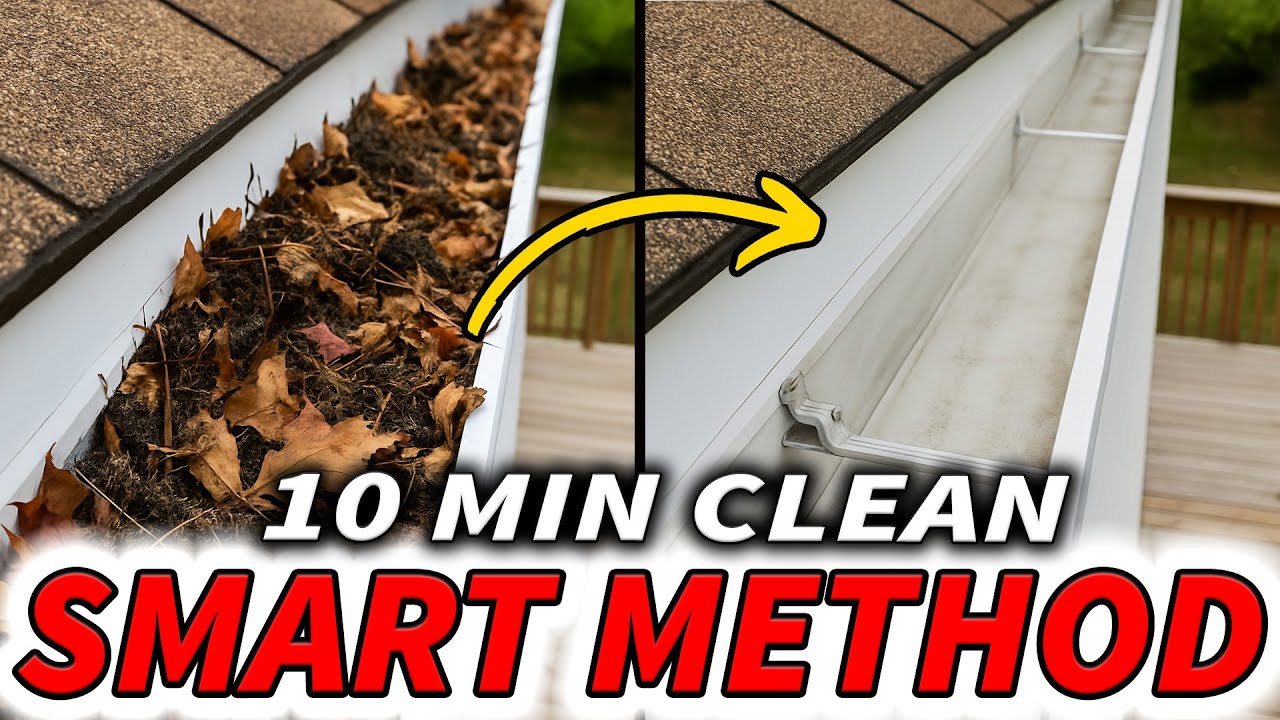
This project outlines the process of cleaning residential gutters to prevent water damage to the home's foundation, walls, and landscaping. It includes safety precautions, necessary tools and materials, and step-by-step instructions for effective gutter cleaning.
Tools & Materials

Ladder
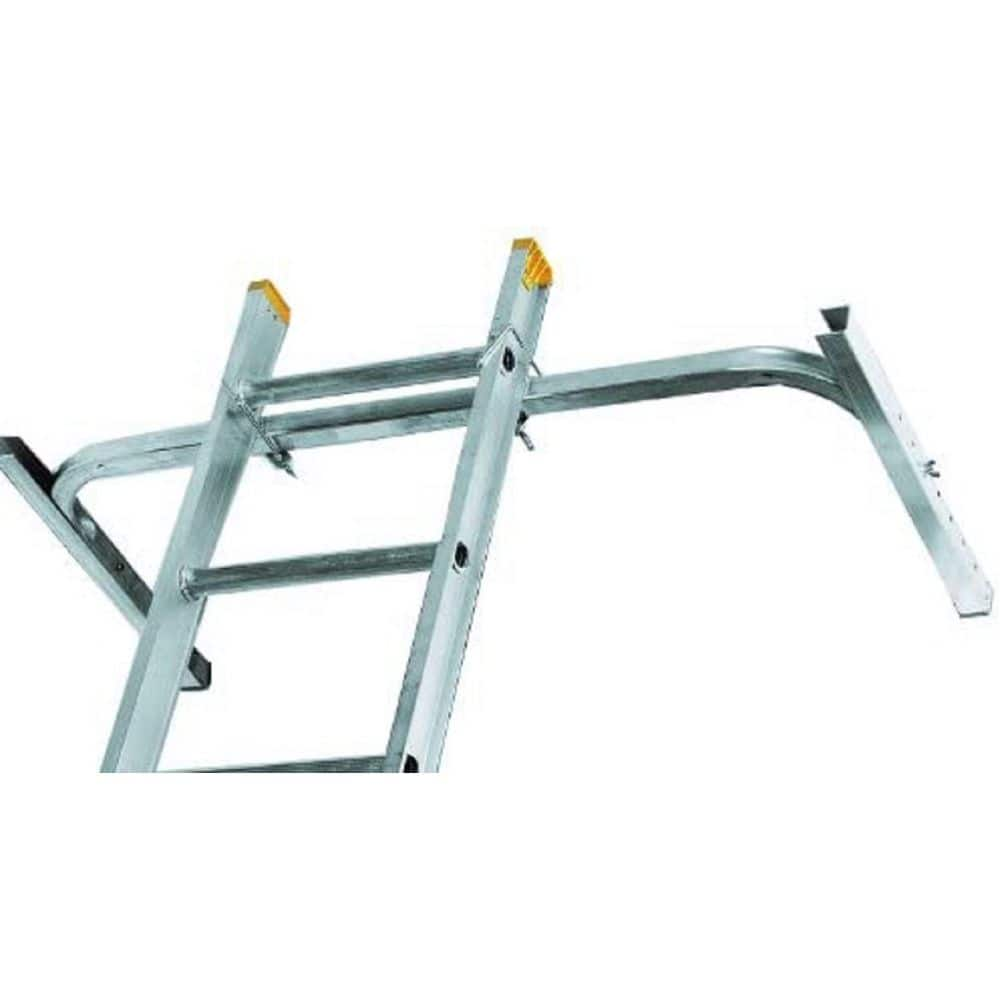
Louisville Ladder Adjustable Aluminum Ladder Stabilizer LP-2210-00
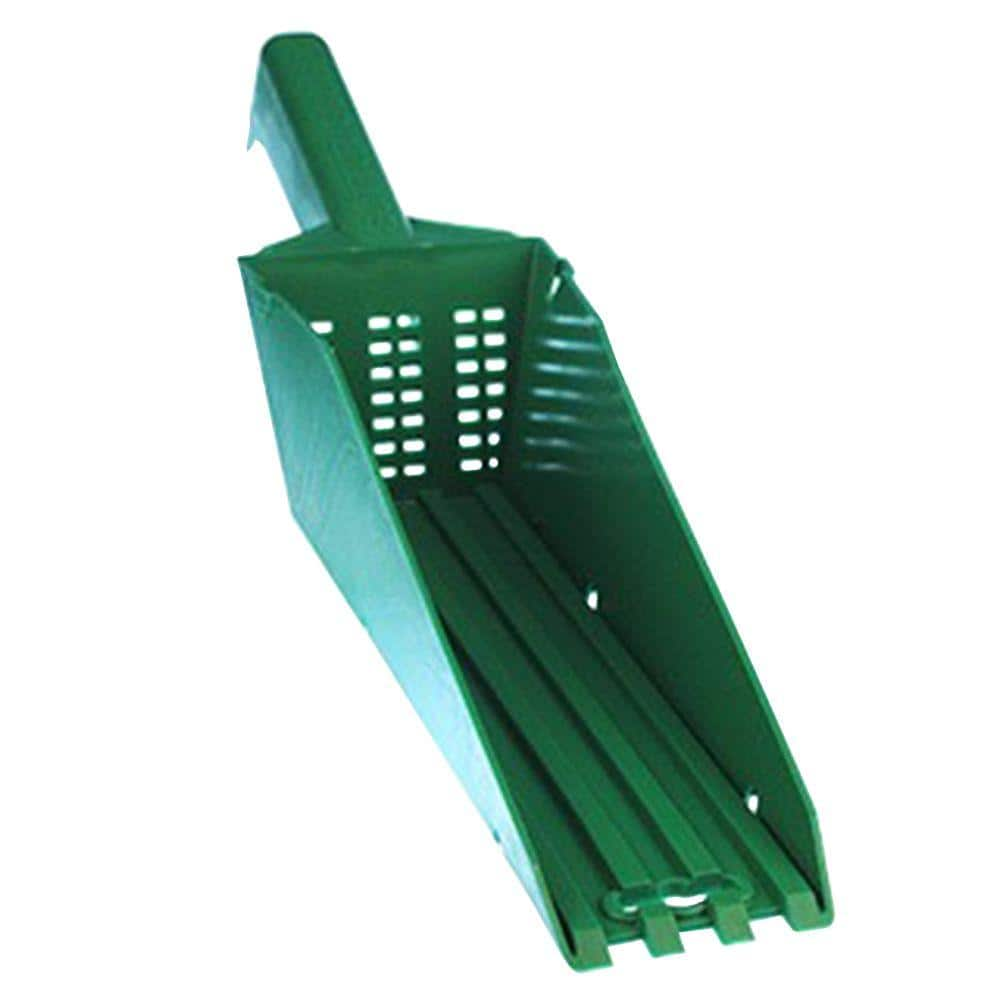
The Wedge 15 in. Long Plastic Gutter Scoop P-216
Bucket
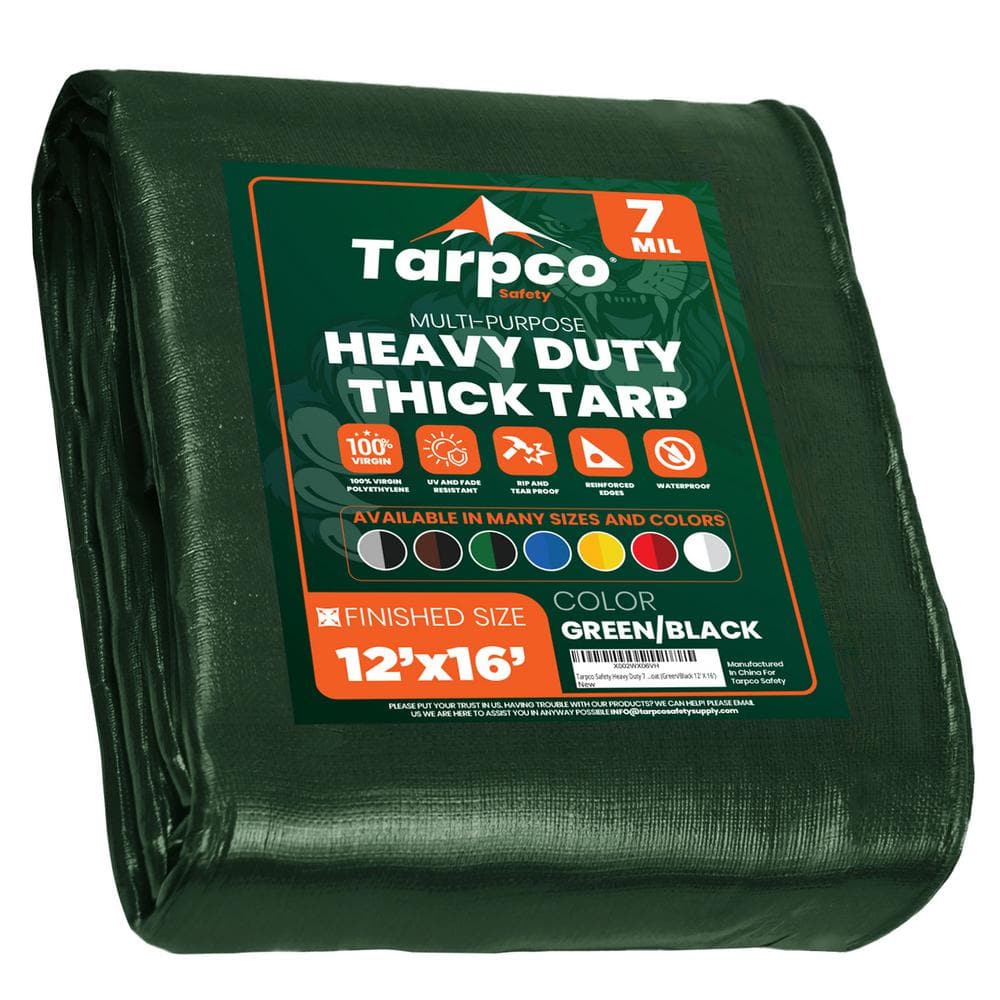
TARPCO SAFETY 12 ft. x 16 ft. Green/Black 7 Mil Heavy Duty Polyethylene Tarp, Waterproof, UV Resistant, Rip and Tear Proof TS-203-12x16

Heavy Duty Latex Gloves
Ladder
Reach new heights safely.
Louisville Ladder Adjustable Aluminum Ladder Stabilizer LP-2210-00
Louisville LP-2210-00 is the most popular and economical adjustable aluminum ladder stabilizer. Fits extension and single ladders with rail up to 4 in. x 1 3/4 in. Great for painting around windows, doors
The Wedge 15 in. Long Plastic Gutter Scoop P-216
The Gutter Scoop is a uniquely designed tool to easily and safely clean your gutters. Made from recycled plastics, the handle is designed to safely keep your hands and fingers out of the gutter while the rigid teeth scrape away built-up debris. The gridded design allows water to flow through the Scoop so you're only scooping out the debris you want to remove. The Gutter Scoop is a versatile item as well as it is great for pet food, kitty litter box cleaning, rock salt, fertilizers, plant and garden use and much more.
Bucket
Ideal for carrying or storing liquids.
TARPCO SAFETY 12 ft. x 16 ft. Green/Black 7 Mil Heavy Duty Polyethylene Tarp, Waterproof, UV Resistant, Rip and Tear Proof TS-203-12x16
One tarp, endless possibilities. Tarpco Safety's multi-purpose tarpaulin cover is a must-have item for every household, thanks to its practicality and endless uses. For example, you can use this tarp sheet to cover your car. boat, pool, roof, or outdoor furniture. You can also use the tarp sheet to cover wood logs and building materials, as well as house floors when you want to paint the walls Let's not forget outdoor activities. This waterproof tarp can be used to build a canopy tent or you can use it as a ground blanket to keep your tent safe from sharp rocks and stones. Tarpco Safety has designed the ultimate weatherproof tarp cover. This heavy duty outdoor tarp sheet is built to cover and effectively protect small and large objects from all extreme weather conditions:Is it too sunny and warm outside? This tarp is UV resistant so the sun rays cannot get through it.Is it raining a lot? The protective tarp sheet is 100% waterproof so it will keep your wood logs dry and ready for use.Is it snowing? You can use the tarpaulin cover to keep your vehicle from getting buried under the snow.Is it windy? The heavy duty tarp with the 12 x 10 weave count and 100% virgin polyethylene will not tear or rip.Tying it down is going to be simple and easy. This polyethylene tarp sheet has metal grommets every 36 inches and reinforced edges. These grommets are ultra strong and they will help you tie down the waterproof canopy tarp easily and in a very steady and secure way.
Heavy Duty Latex Gloves
Protection during intense tasks.
Steps
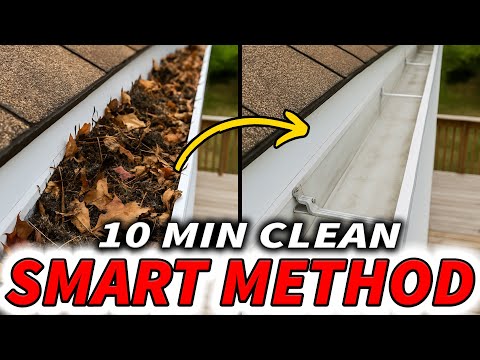

Flush the gutters
10 minutesConnect a garden hose to a water source and spray water into the gutters, starting from the end furthest from the downspout. Flush out any remaining small debris and check that water flows freely towards the downspout. If water pools, there may be a clog in the gutter or downspout.
Watch: Flush Gutters with Water
Clear downspout clogs
15 minutesIf water is not flowing freely from the downspout, insert a plumber's snake into the top of the downspout and twist to break up the clog. Alternatively, use the garden hose to force water through the downspout from the top, or from the bottom if accessible, to push the clog through. For stubborn clogs, you may need to detach the downspout.
Watch: Remove Downspout ClogsInspect and repair gutters
10 minutesWhile cleaning, inspect the gutters and downspouts for any cracks, holes, loose joints, or sagging sections. Repair minor leaks with gutter sealant. Tighten any loose screws or fasteners. Address any sagging by adjusting the hangers or adding new ones. For significant damage, consult a professional for replacement.
Watch: Check Fasteners and Inspect GuttersCommon Problems
The ladder feels wobbly or unstable, making you feel unsafe while working at height.
Solution: Immediately descend from the ladder. Re-check that all four feet of the ladder are on firm, level ground. Ensure any extension ladder locks are fully engaged, or if it's a stepladder, that its spreaders are locked open. For gutter cleaning, use a ladder stabilizer (like the Louisville LP-2210-00) to brace against the roof or wall, keeping the ladder away from the gutter itself and providing a much more stable platform. Never overreach; reposition the ladder frequently.
Prevention: Always place the ladder on stable, level ground. Check the ladder's angle (a 75-degree angle or 'four-to-one' rule: for every four feet of ladder height, the base should be one foot away from the wall). Always use a ladder stabilizer for gutter work. Have someone hold the ladder's base if possible, especially on uneven ground.
After removing large debris, the gutter still fills with water and overflows when flushing, or water drains very slowly.
Solution: This indicates a clog further down, most likely in the downspout. Turn off the water immediately. Go back to the overflowing section and manually clear any remaining smaller debris you might have missed near the downspout opening. Then, focus specifically on clearing the downspout. Try directing the hose nozzle with high pressure directly into the downspout opening. If that doesn't work, use the drain snake (The Plumber's Choice 25 ft. Drum Auger) by feeding it into the downspout from the top until you hit the clog, then crank the handle to break it up.
Prevention: Always remove as much visible debris (leaves, twigs, mud, shingle grit) as possible from the entire length of the gutter *before* introducing water. Pay extra attention to the areas directly above downspout openings, as these are common choke points.
The downspout clog is too stubborn, or the drain snake gets stuck and won't advance or retract.
Solution: If the snake gets stuck, try rotating it counter-clockwise while gently pulling to retract it; never force it. If the clog persists, it might be too large or too far down for the snake to effectively clear from the top. Look for cleanout covers on the downspout, usually near the bottom, and open them to access the clog. If there isn't one, you may need to carefully unscrew and remove a section of the downspout (using your Milwaukee Pliers and Screwdriver Set) to get direct access to the blockage. For extremely stubborn or inaccessible clogs, professional help might be required.
Prevention: Regularly clean your gutters (at least twice a year, or more if you have many trees) to prevent large, compacted clogs from forming. Consider installing downspout screens or gutter guards to prevent large debris from entering the downspouts.
You encounter sharp objects (e.g., broken glass, rusted metal) or active pest nests (wasps, bees, rodents) while cleaning the gutters.
Solution: If you find sharp debris, do NOT touch it with your gloved hands. Use your gutter scoop (The Wedge) or a separate pair of tongs to carefully pick it up and place it directly into your bucket or a designated safe container for disposal. If you encounter an active wasp or bee nest, retreat slowly and safely. Do not disturb it. You may need to wait until cooler weather when pests are less active, or call a pest control professional. For rodent nests, proceed with caution, wear your heavy-duty gloves, and carefully dispose of nesting material, as it can carry diseases.
Prevention: Always wear heavy-duty work gloves (like the Heavy Duty Latex Gloves) to protect your hands from cuts and debris. Visually scan the gutter for obvious hazards before reaching in. If you suspect pests, observe from a distance first, especially during warm weather.
After cleaning, you notice water dripping from a gutter seam, or a section of the gutter is pulling away from the fascia board.
Solution: For small leaks at seams: ensure the area is completely dry. Use a cloth or stiff brush to clean any old sealant or debris from the seam. Apply a generous bead of gutter sealant (Amerimax Home Products Seamermate) over the entire seam using your caulk gun, ensuring good coverage, then smooth it with a finger or putty knife. For loose sections: check if existing hangers are loose or broken. Use a screwdriver to tighten any existing screws. If screws are stripped or missing, use new, appropriate screws (Everbilt Vertical Rail and Hang Track Screws) to re-secure the gutter to the fascia board, ensuring they bite into solid wood.
Prevention: Regular inspection is key. During each gutter cleaning, carefully check all seams for signs of wear or separation and look along the entire length of the gutter to ensure it's securely fastened to the house. Address minor issues promptly before they worsen.
Water from the hose splashes excessively, spraying back on you, over the sides of the gutters, or creating a muddy mess below.
Solution: Adjust the water pressure on your hose nozzle. Start with a lower pressure setting when flushing to better control the water flow and minimize splash-back. Direct the nozzle carefully along the bottom of the gutter, pushing debris towards the downspout rather than spraying erratically. When clearing downspouts, insert the nozzle as far as possible into the opening to contain the water and direct it down. Ensure your tarp (TARPCO SAFETY 12 ft. x 16 ft.) is spread wide enough directly under the sections you are cleaning to catch debris and excess water.
Prevention: Lay out your tarp extensively underneath the entire length of the gutters you plan to clean. Begin flushing with the lowest effective water pressure and gradually increase it only if necessary. Aim the hose carefully and avoid spraying directly upwards or outwards, which causes the most splash-back.
Frequently Asked Questions
What are the most crucial safety tips for using a ladder to clean gutters?
Always set up your ladder on a stable, level surface and use a ladder stabilizer, such as the Louisville Ladder Adjustable Aluminum Ladder Stabilizer LP-2210-00, for added security. Maintain three points of contact while on the ladder and never overreach; reposition the ladder frequently instead of stretching.
Besides a ladder, what tools will make gutter cleaning easier and more effective?
A dedicated gutter scoop, like The Wedge 15 in. Long Plastic Gutter Scoop P-216, simplifies debris removal. Have a bucket handy for collecting debris, and use a hose with a high-pressure nozzle to flush the gutters and downspouts. For stubborn downspout clogs, a drum auger such as The Plumber's Choice 25 ft. Drum Auger Steel Plumbing Drain Snake is essential.
How often should I clean my gutters, and how long does the project typically take?
Generally, gutters should be cleaned at least twice a year, typically in the spring and fall, or more frequently if you have many trees nearby. While the estimated time for this project is 4 hours, it can vary based on the size of your home and the amount of debris accumulated.
What are some common mistakes beginners make when cleaning gutters, and how can I avoid them?
Common mistakes include not thoroughly clearing downspouts, overreaching on the ladder, and failing to inspect for damage. Always ensure downspouts are clear by flushing or using an auger, prioritize safety by frequently repositioning your ladder, and take time to inspect for potential repairs after cleaning.
My downspout is completely clogged. What's the best way to clear it after removing large debris?
After removing all visible large debris from the gutter, first try flushing the downspout with a hose and a high-pressure nozzle from the top. If the clog persists, use a drum auger, like The Plumber's Choice 25 ft. Drum Auger Steel Plumbing Drain Snake, to break up the obstruction from either the top or bottom of the downspout.
How can I minimize mess and protect my landscaping while cleaning gutters?
Lay a large tarp, such as the TARPCO SAFETY 12 ft. x 16 ft. Green/Black 7 Mil Heavy Duty Polyethylene Tarp, directly beneath the section of gutter you are working on. This will catch all the debris you remove, making cleanup much quicker and preventing leaves and gunk from falling into your garden beds.
After cleaning, what should I check for, and are there any minor repairs I can do myself?
After cleaning, inspect your gutters for leaks, loose hangers, or separated seams. Small leaks can often be sealed with a gutter sealant like Amerimax Home Products Seamermate 3 oz. Gutter Sealant 85128, and loose sections can be re-secured using appropriate screws and a screwdriver set.