Stump Grinding
About This Project
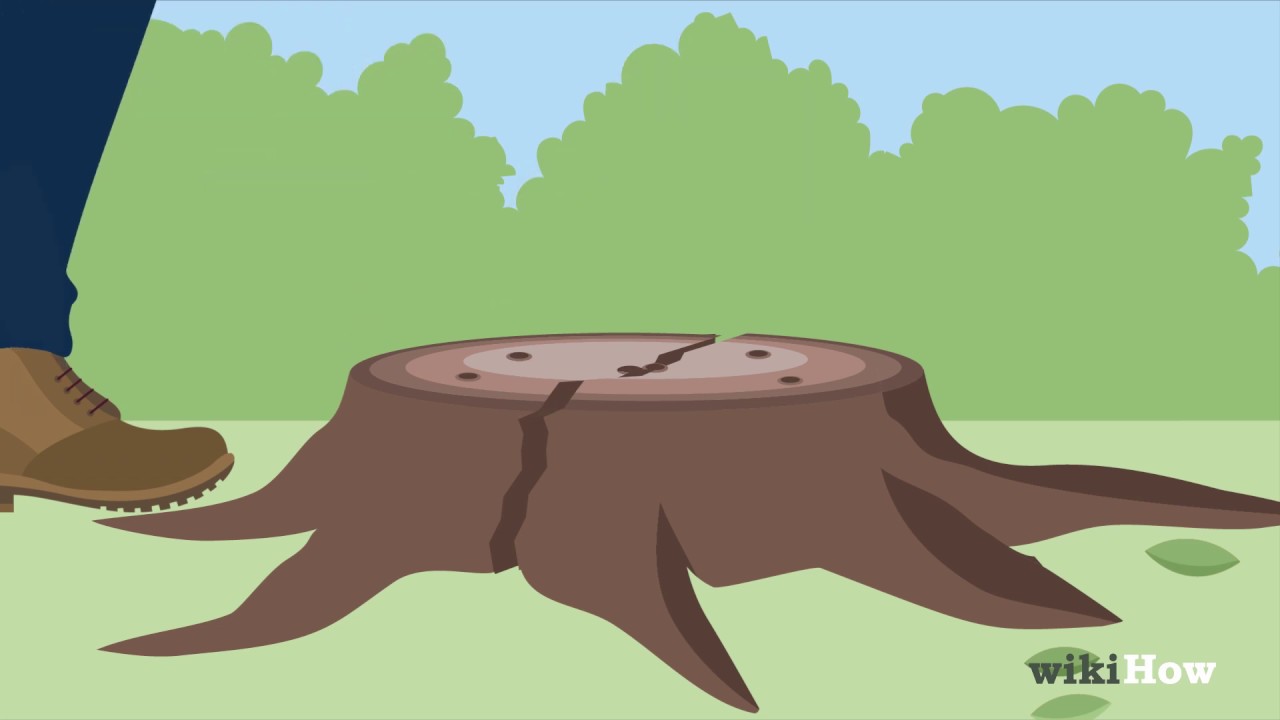
This project outlines the process of removing a tree stump by grinding it down below the soil surface. This involves renting or hiring a stump grinder, preparing the area, operating the grinder safely, and then cleaning up the wood chips and debris.
Tools & Materials
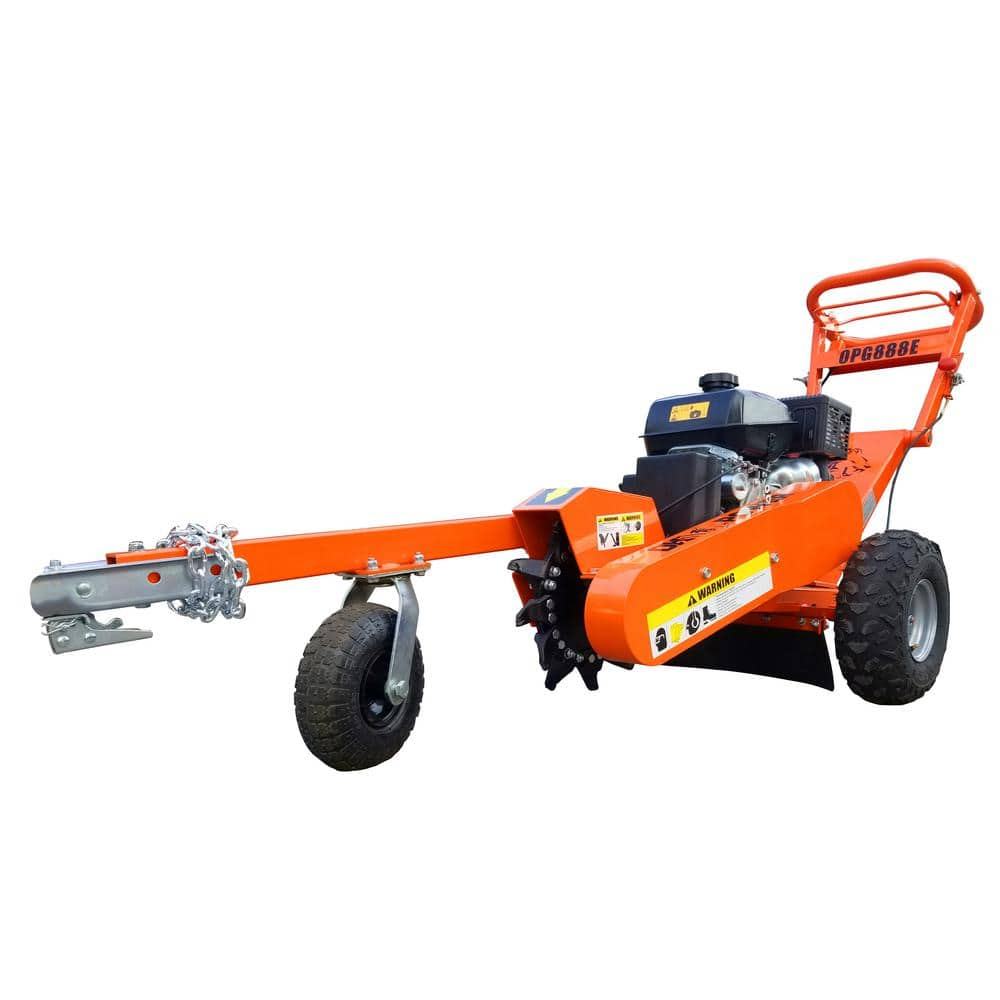
DK2 14 in. 14 HP Gas Powered Commercial Stump Grinder with Electric Start & Towbar OPG888E

The Home Depot Protection Plan by Allstate 2-Year Painting Tools Protection Plan $200-$249.99 HDDUS-PT0249N2B_TE
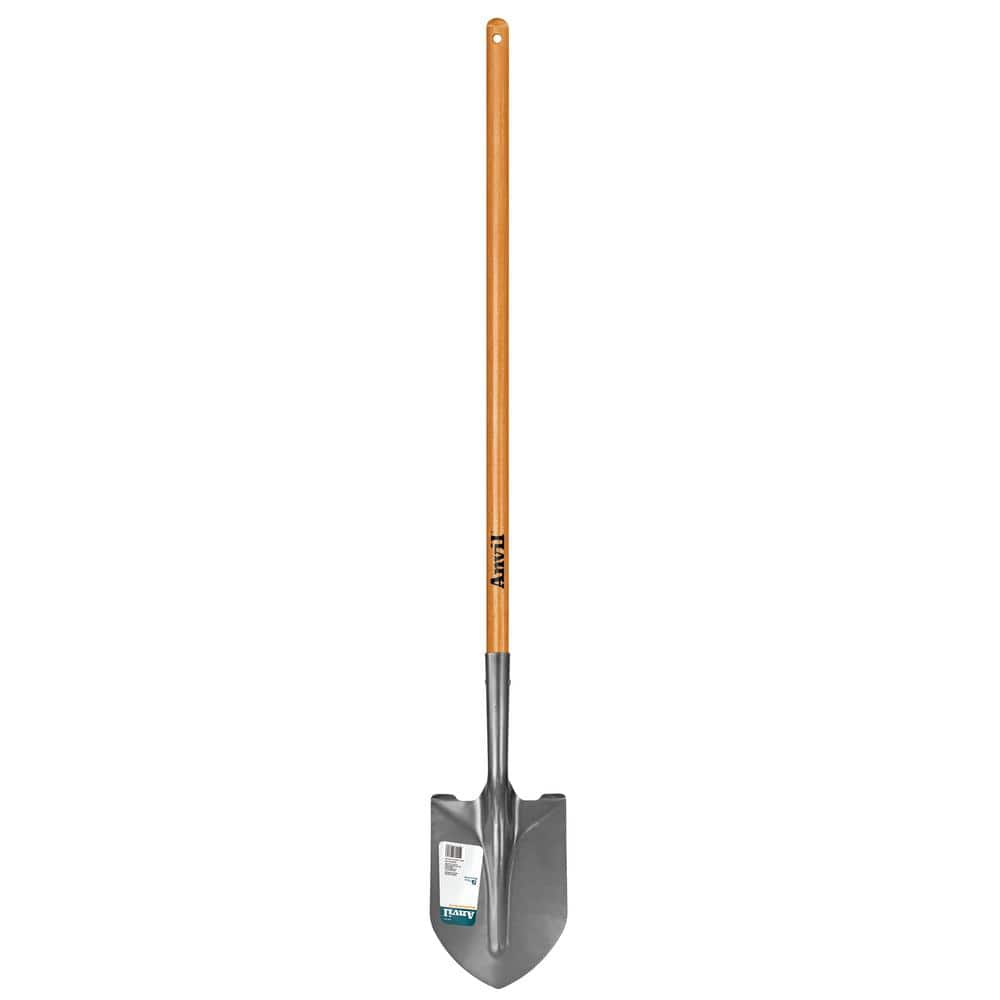
Anvil 47 in. Wood Handle Carbon Steel Digging Shovel 77470-939
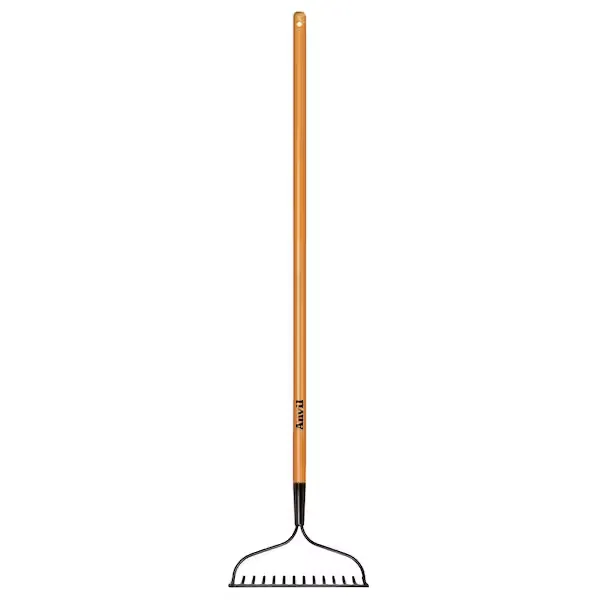
Garden Rake
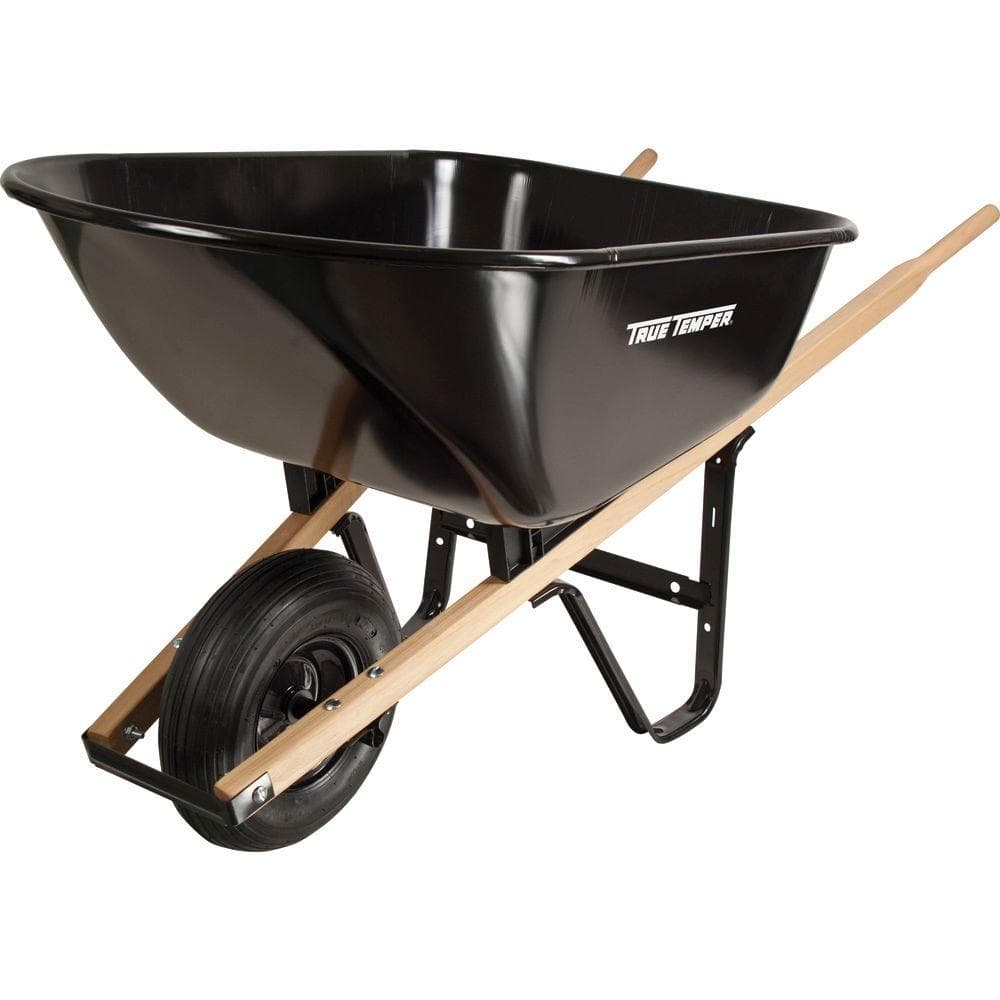
True Temper 6 cu. ft. Steel Wheelbarrow S6BUT25

Safety Glasses
DK2 14 in. 14 HP Gas Powered Commercial Stump Grinder with Electric Start & Towbar OPG888E
Introducing the OPG888E, powered by a KOHLER Command PRO CH440 14 HP 429 cc engine with electric start for your new endeavors. It is capable of demolishing stumps 14 inches above ground and 10 inches below ground with its dual V-belt direct drive 22.7 ft/lb gross torque and 12 FC11C carbide cast mounted teeth that cut 4 inches wide. This machine features a heavy-duty frame, 145/70-6 ATV tires, a removable flip tow bar for easy trolley or off-road towing up to 15 mph (24 km/h), an operator controlled posi-lock wheel brake for pivot grinding, and a bow handle with CE safety approved hands-off shut down.
The Home Depot Protection Plan by Allstate 2-Year Painting Tools Protection Plan $200-$249.99 HDDUS-PT0249N2B_TE
From power tools to outdoor grills, Allstate Protection Plans cover your purchases from mechanical and electrical failures plus product breakdowns for up to three years. Plans include 100% parts and labor
Anvil 47 in. Wood Handle Carbon Steel Digging Shovel 77470-939
Discover the Unparalleled Performance of the Anvil 47 in. Digging Shovel. Are you seeking a digging shovel that combines durability, strength, and reliable performance. Look no further than the Anvil Digging Shovel. Crafted with a laser-cut blade made of high-quality carbon steel, it effortlessly slices through soil, roots, and debris, making it an ideal tool for all your lawn and garden projects. What sets this shovel apart is the head, which is fully tempered for exceptional strength and durability. This means it can withstand the toughest digging tasks with ease and longevity. The 47 in. wood handle is not only functional but visually appealing as well, thanks to its varnished finish. This coating not only adds to its appearance but also provides protection against the elements, ensuring your shovel stays in top condition for years to come. This tool comes with a 5-year manufacturer warranty.
Garden Rake
Levels or clears soil with its pronged design.
True Temper 6 cu. ft. Steel Wheelbarrow S6BUT25
Just the right size for tackling all sorts of jobs around the yard, this 6 cu. ft. True Temper wheelbarrow is big enough to carry sizable loads but light enough to maneuver easily. The seamless steel tray, steel undercarriage and seal-coated hardwood handles are designed to provide years of dependable service. This unit also features a 2-ply pneumatic tire with easy-rolling nylon bearings.
Safety Glasses
Keeps eyes safe from potential hazards.
Steps


Position and Operate the Stump Grinder
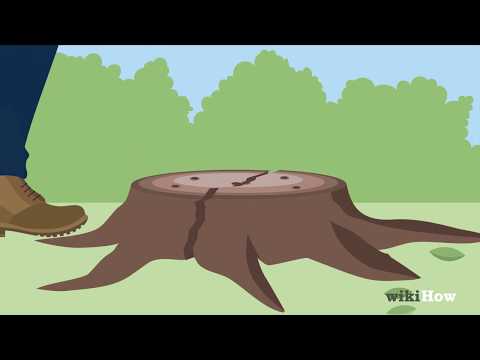
120 minutesPosition the stump grinder so the cutting wheel is above the edge of the stump. Slowly lower the wheel into the stump, moving it side-to-side to grind the wood into chips. Work in passes, lowering the wheel gradually until the stump is ground to the desired depth, typically 4-6 inches below the soil surface.
Watch: Grind the Stump
Common Problems
Hitting hidden rocks, metal objects, or large roots with the grinder blades.
Solution: Immediately stop the grinder. Carefully inspect the area for the object and remove it. Check the grinder blades for damage (chips, bends). If blades appear damaged, contact the rental company immediately before attempting to continue or starting the grinder again.
Prevention: Before starting, thoroughly clear a wide area (at least 3-4 feet) around the stump. Use a shovel or a metal detector to search for rocks, old nails, or buried objects. Dig a shallow trench around the base of the stump to expose anything hidden just below the surface.
The stump grinder 'kicks back' violently or is difficult to control during operation.
Solution: Immediately release the grinder's cutting engagement lever (often a 'dead man's switch' on the handles). Re-establish a firm, balanced stance behind the grinder. Start the cutting motion more slowly, allowing the blades to shave off small amounts of wood with each pass. Adjust the feed rate and swing angle to avoid digging in too aggressively.
Prevention: Always maintain a firm grip on the handles and a wide, stable stance. Never over-reach or stand directly behind the cutting wheel. Let the machine do the work; don't force it. Make shallow, side-to-side passes, gradually lowering the cutting head. Read the operator's manual carefully for proper operating techniques.
The grinder isn't cutting effectively, just bouncing, vibrating, or making very slow progress.
Solution: First, check if the cutting depth is set correctly; you might be trying to cut too deep in one pass. Ensure you're moving the cutting head slowly and deliberately across the stump, allowing the blades to shave off material. If the problem persists, the grinder's teeth might be dull. Contact the rental company if you suspect dull blades, as they might need replacement or sharpening.
Prevention: When picking up the grinder, ask the rental staff about the sharpness of the blades. Understand the proper technique for making shallow, overlapping passes, gradually lowering the cutting head with each pass. Don't try to remove too much material at once.
Unexpectedly running out of fuel during the grinding process.
Solution: If the grinder stops, check the fuel tank. If empty, allow the engine to cool down for a few minutes before carefully refilling it with the correct type of fuel (usually unleaded gasoline). Ensure you have enough fuel for the remainder of the job.
Prevention: Start the project with a full fuel tank. Have at least one extra gallon of the correct fuel type readily available nearby, but stored safely away from the immediate work area. Check the fuel gauge periodically during operation, especially when working on a large stump.
Wood chips and debris are being thrown aggressively, risking injury or scattering too widely.
Solution: Immediately stop the grinder if debris is becoming unmanageable or hitting unsafe areas. Reconfirm that safety glasses, hearing protection, long pants, and sturdy boots are securely in place. Adjust the discharge chute (if your grinder has one) to direct chips away from people, property, and sensitive areas.
Prevention: Always wear all recommended safety equipment, including eye protection (safety glasses), hearing protection, work gloves, long pants, and sturdy work boots. Place tarps or old sheets around the working area to catch flying debris. Position the grinder so the discharge chute aims into a clear area, ideally where you want to collect the chips for cleanup.
After grinding and filling, the hole fills with water or settles unevenly, creating a depression.
Solution: If the hole is holding water, you might need to excavate the soil again and ensure no large, solid root pieces are preventing drainage. If it's settling unevenly, you'll need to add more topsoil, compacting it in layers as you go. Lightly mist the soil with water and tamp it down to help compact it.
Prevention: Grind the stump several inches below grade (e.g., 6-12 inches) to account for remaining roots and future settling. After grinding, remove all large wood chips and debris from the hole before adding soil. When filling, add the topsoil in layers (e.g., 4-6 inches at a time), lightly moisten each layer, and compact it thoroughly with a tamper or the back of a shovel before adding the next layer. Overfill slightly, as some settling is inevitable.
Frequently Asked Questions
What's the biggest challenge for a beginner tackling a stump grinding project, and how can I best prepare?
The biggest challenge is safely operating the powerful stump grinder, which requires significant physical control and awareness. Before starting, thoroughly read the machine's manual, watch instructional videos, and ensure the area is completely clear of obstacles. Always maintain a firm grip on the handles and keep bystanders at a safe distance to prevent accidents.
What specific safety gear is absolutely essential when operating a stump grinder?
Essential safety gear includes impact-resistant eye protection, hearing protection, heavy-duty work gloves, and steel-toed boots. Additionally, wear long pants and a long-sleeved shirt to protect against flying debris and chips. Proper attire is crucial to minimize the risk of injury from the fast-moving cutting wheel and ejected material.
How deep should I grind the stump, and what's the best way to handle the resulting hole and wood chips?
Grind the stump at least 4-12 inches below the soil surface; deeper if you plan to plant new trees or shrubs in that spot. After grinding, use a shovel and wheelbarrow to remove the bulk of the wood chips, which can be composted or used as mulch elsewhere. Then, fill the hole with fresh topsoil and re-grade it to match the surrounding landscape for a smooth finish.
Are there any effective alternatives to renting a commercial stump grinder, especially for smaller stumps?
For small, decaying stumps, you could try chemical stump removers, which accelerate decomposition over several months, or physically digging out the stump, which is very labor-intensive. However, for most stumps, particularly those that are large, deep, or made of hard wood, renting a commercial grinder is by far the most efficient and effective method for complete removal.
What are common mistakes beginners make when using a stump grinder, and how can I avoid them?
A common mistake is attempting to take too deep a cut at once, which can stall the machine, make it jump unexpectedly, or cause injury. Instead, make shallow, deliberate passes by swinging the cutter wheel from side to side across the stump's face, gradually lowering the wheel with each pass. Always let the machine do the work; don't try to force it.
Beyond the rental cost, what other expenses should I budget for when planning this stump grinding project?
Besides the stump grinder rental, budget for fuel to operate the machine, which can be substantial for larger stumps or multiple projects. You'll also need to account for safety gear if you don't already own it, and several bags of quality topsoil to fill the remaining hole. Don't forget potential disposal costs for excess wood chips if you can't use them on your property.